Coeliac diagnosis management: Research case study
About the project

The Problem
Managing celiac disease extends far beyond avoiding gluten. 60% of patients continue experiencing symptoms even 5 years after the treatment begins.
The daily reality includes:
Financial burden: Gluten-free products cost 2-3x more
Social isolation: 72% struggle dining out, 38% experience travel restrictions
Extreme vigilance: Cross-contamination from as little as 10mg of gluten (crumb of bread) can trigger inflammation and symptoms
Whole-body impact: 57.8% experience neurological symptoms; 27.4% report significantly limited daily activities
Persistent symptoms: One-third still have GI symptoms or malabsorption despite strict diet adherence
Beyond physical symptoms, patients navigate inadequate healthcare provider support (only 25-52% find provider information useful) and the psychological burden of lifelong dietary restrictions that affect work, relationships, and quality of life.
Patient Pain Points (Beyond Celiac 2022 Survey [2], n=2,000+)
Challenge | Statistic | Impact |
|---|---|---|
Gluten-free diet insufficient | 88.2% need more than diet alone | Current solutions inadequate |
Non-gastrointestinal symptoms | 60% of children and adults after 2 years on diet | Non-GI symptoms overlooked |
Want treatment alternatives | 47.5% | Seeking hope beyond diet |
Daily life limitations | 27.4% significantly limited | Quality of life impact |
Dining out difficulties | 72% report challenges | Social isolation |
Travel restrictions | 38% affected | Lifestyle limitations |
Market Fragmentation
The celiac disease app market consists of specialized tools serving isolated needs, forcing patients to juggle multiple apps. Existing solutions include:
Restaurant finders (Find Me Gluten Free) - community driven, but inconsistent reviews
Educational apps (The Celiac App) - criticized for paywalling basic searchable information
Barcode scanners (Fig, CeliApp) - accuracy concerns with label reading
Vetted directories (Gluten Dude) - smaller database of restaurants
Symptom trackers (Baloon, MyHealthyGut) - focus on general gut health, not celiac-specific symptoms
Critical Gaps Identified
No comprehensive health tracking - Symptom tracking absent from commercial apps
Limited educational value - barcode or label scanning apps often provide yes/no label usually without context
Missing medical integration - No long-term health records for celiac-specific data health records for celiac-specific data
Weak community support - Social isolation increasing, but few apps offer community features, most people use social media (Facebook groups, Instagram or Reddit)
The Challenge
User Needs vs. Technical Complexity - Build a comprehensive solution that:
Handles sensitive medical data (GDPR compliance from day 1)
Provides better AI guidance than "just Googling it" or asking commonly used language model
Drives daily engagement despite periodic medical needs (appointments every 6 months)
Builds trust with skeptical users (sharing sensitive data with app and third party)
Remains simple enough to validate core value before feature creep
Key Questions to Answer
Will celiac patients actually log symptoms regularly, or only when problems occur?
Is AI chat differentiated enough from ChatGPT to justify a dedicated app?
Do users want comprehensive tracking, or just quick food safety checks or restaurant finder?
What makes users trust an app with sensitive health data?
Will users pay for celiac management tools?
The Solution
To address these pain points and challenges and validate the product direction, I conducted a research that combined competitive analysis, analysing secondary research from clinical studies and patient surveys, and primary user interviews to define a minimum viable product focused.
Methodology
Competitive Analysis
Analysed major celiac disease or gut health management app (features, pricing models, user reviews)
Identified functionality gaps and user complaints
Secondary Research
I analysed peer-reviewed clinical studies, large-scale patient surveys, and market data to establish baseline understanding of disease prevalence, treatment challenges, and competitive landscape before investing time in primary research.
Beyond Celiac 2022 Community Survey (n=1,734, with 1,255 medically diagnosed)
Global Prevalence of Celiac Disease: Systematic Review and Meta-analysis - Singh P, et al. Clinical Gastroenterology and Hepatology, 2018 (96 studies, 275,818 individuals)
Primary Research (In Progress)
User interviews with celiac patients
Target: 30 interviews across diagnosis stages
Focus: Daily challenges, persisting symptoms, current tools, willingness to pay
MVP Definition:
Must-Have Features:
Onboarding
Enter diagnosis date
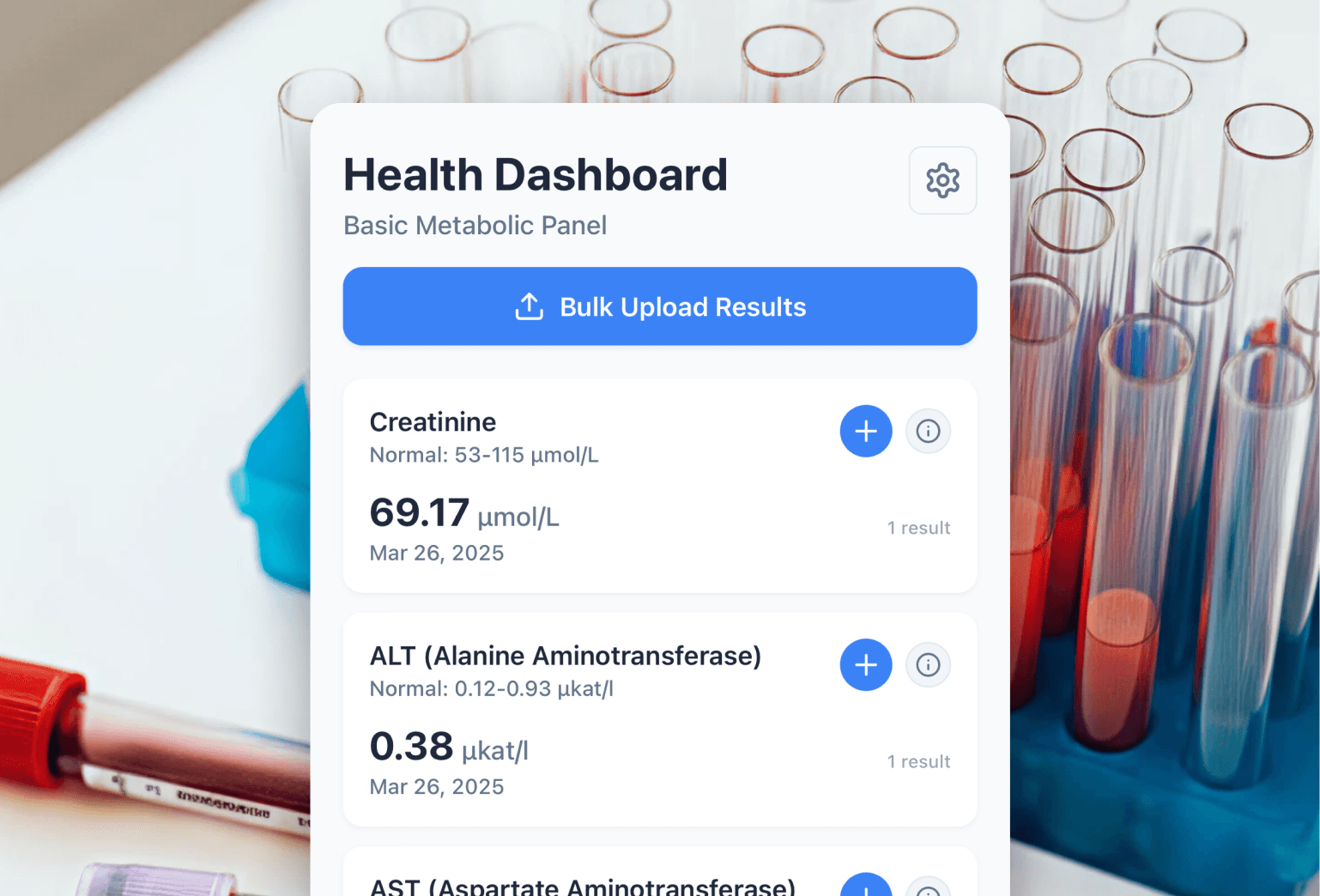
Log latest test results (manual entry)
Set health baseline
Symptom Diary
Quick daily log (30-second target)
Track symptom severity and type
Meal tracking and eating out
Note potential triggers
AI Chat
Food safety questions with explanations
Cross-contamination guidance
Lifestyle situation advice
Educational Content
"Newly Diagnosed Guide"
Cross-contamination basics
Understanding symptoms
Encouragement to 100% diet adherence
Explicitly Excluded from MVP:
Social/community features (need 50-100+ users first)
Barcode scanning (accuracy concerns, existing solutions)
Doctor appointment scheduling
Automated test result uploads
Restaurant database
Data visualisations
Rationale for Minimal Scope
Validate Core Value First: Prove people will log symptoms 3+ times/week AND use AI chat 2+ times before adding layers.
Trust Before Scale: Users need to trust the app with sensitive data before adding complex features.
Medical Data as Moat: Food scanners and restaurant finders are common; health records for celiac patients don't exist. This is the differentiation.
Results and Impact
Market Opportunity Validated:
Market size: The addressable market for a celiac management app is estimated at 2-3 million users globally, assuming 20-30% adoption rate among diagnosed patients. This estimate is validated by Find Me Gluten Free's existing user base of 3 million, demonstrating that this penetration rate is achievable in the celiac app market.
5-10M estimated potential users globally (75-83% goes undiagnosed and thus without treatment, numbers vary by country diagnostic practices)
Realistic app addressable market: 1-3M users (assuming 10-30% of diagnosed use health apps)
Growth rate: 7,5 % annually, increasing prevalence
Willingness to pay: Existing apps charge $60-80/year
Key Differentiators Identified:
Only app integrating complex diagnosis management
AI-powered symptom analysis
Tracking medical records over time
Key learnings
1. Starting simple and proving value first
Research revealed numerous pain points, but building everything at once risks creating a complex app nobody uses. The MVP focuses on three core features: symptom diary, AI chat, and basic medical tracking. Social features, barcode scanning, and restaurant databases are intentionally excluded until we validate that users will engage with the core daily loop. Additionally, building a restaurants database has its own challenges - either reviewing restaurants with experts on celiac safety or building another community drive while such solutions already exist.
2. Tracking of medical records and symptoms is a differentiator
Restaurant finders and barcode scanners are commoditized, research showed that multiple apps already do this. What doesn't exist is a comprehensive, long-term health record specifically for celiac patients tracking symptoms, test results, and exposures over years. This medical data becomes a gold: users who trust you with years of health history won't easily switch to competitors. Combining daily symptoms monitoring with long-term medical records history creates long-term value proposition while keeping users engaged regularly.
3. AI chat must be more helpful than just “googling it”
Users are skeptical of health apps, especially celiacs who have to be careful with any contamination (10-20 ppm are maximum safe amount). If the AI chat isn't noticeably better to publicly available language model for celiac-specific questions, it's not a differentiator worth building the app around.
4. User interviews will reveal what secondary research cannot
Secondary research confirmed celiac disease is challenging and current tools are inadequate, but it cannot answer the critical question: "Will users actually open this app daily and pay for it?" Current level of awareness of gluten free diet even among celiacs and adherence to gluten-free diet vary from 40-90% based on research methodology and subjective evaluation of participant. Patients tend to overestimate their adherence to the diet and often ignore contamination.
Potential next steps
Conduct ~30 user interviews to gain more insights on pain points and opportunities
Test design mockups with potential users to validate hypothesis
Define the MVP features build functional prototype
Early GTM is releasing the product via celiac communities and social media groups
Resources
Global prevalence growth meta analysis: https://celiac.org/wp-content/uploads/2020/02/Incidence_of_Celiac_Disease_Is_Increasing_Over.99422.pdf
https://www.beyondceliac.org/research-news/five-years-after-diagnosis-more-than-half-have-symptoms/
Beyond Celiac 2022 community survey results: https://www.beyondceliac.org/celiac-news/2022-community-survey/
https://www.beyondceliac.org/celiac-news/gluten-free-diet-problems/